A Technical Insight for Contractors, Consultants & Specifiers Across the UAE
As the UAE’s construction and flooring industries continue to evolve at a rapid pace—driven by demand for faster project delivery, higher durability, and premium aesthetics—hybrid resin technologies are attracting significant attention. Among these innovations, polyaspartic-epoxy hybrid flooring systems are emerging as a cutting-edge solution that combines the strengths of both materials.
For architects, flooring contractors, facility managers, and consultants in Dubai, Abu Dhabi, Sharjah, and the wider GCC, understanding the performance advantages of hybrid systems is crucial when specifying coatings for showrooms, warehouses, retail spaces, and industrial environments.
This in-depth guide explores the science, performance characteristics, installation benefits, and best-fit applications of polyaspartic-epoxy hybrid systems—helping you determine whether they truly deliver the best of both worlds.
What Are Polyaspartic-Epoxy Hybrid Flooring Systems?
Polyaspartic-epoxy hybrids combine:
Epoxy Resin
- Known for its exceptional adhesion
- High compressive strength
- Chemical resistance
- Self-leveling capabilities
- Cost-effectiveness
Polyaspartic Resin
- Fast curing (as little as 1–2 hours)
- Superior UV stability
- Exceptional abrasion resistance
- High gloss and color retention
- Flexible and impact-resistant
By merging epoxy’s foundational strength with polyaspartic’s advanced protective qualities, hybrid systems are engineered to perform better than either resin alone—especially in fast-paced environments like the UAE where timelines are tight and performance expectations are high.
Why the UAE Market Is Rapidly Adopting Hybrid Resin Technologies
The UAE is experiencing a shift in how commercial and industrial flooring systems are selected. The reasons are clear:
1. Extreme Temperatures
Summer temperatures exceeding 45°C increase curing speed and affect resin performance. Polyaspartics handle high heat far better than traditional coatings.
2. Tight Fit-Out Deadlines
Retail stores, warehouses, automotive showrooms, and hospitality spaces in Dubai and Abu Dhabi demand fast installation with minimal downtime.
3. High Foot and Vehicle Traffic
Malls, logistics facilities, and car showrooms need coatings that resist heavy abrasion and long operational hours.
4. UV Exposure in Glass-Front Retail & Outdoor Spaces
Polyaspartic’s UV resistance makes it essential for preventing yellowing.
5. Desire for Premium Aesthetics
Luxury interiors demand high-gloss, mar-resistant surfaces—something hybrid systems deliver exceptionally well.
For these reasons, polyaspartic-epoxy hybrid flooring systems are becoming a strong contender for next-generation flooring solutions across the UAE.
How Polyaspartic-Epoxy Hybrids Work
Hybrid systems are typically structured as:
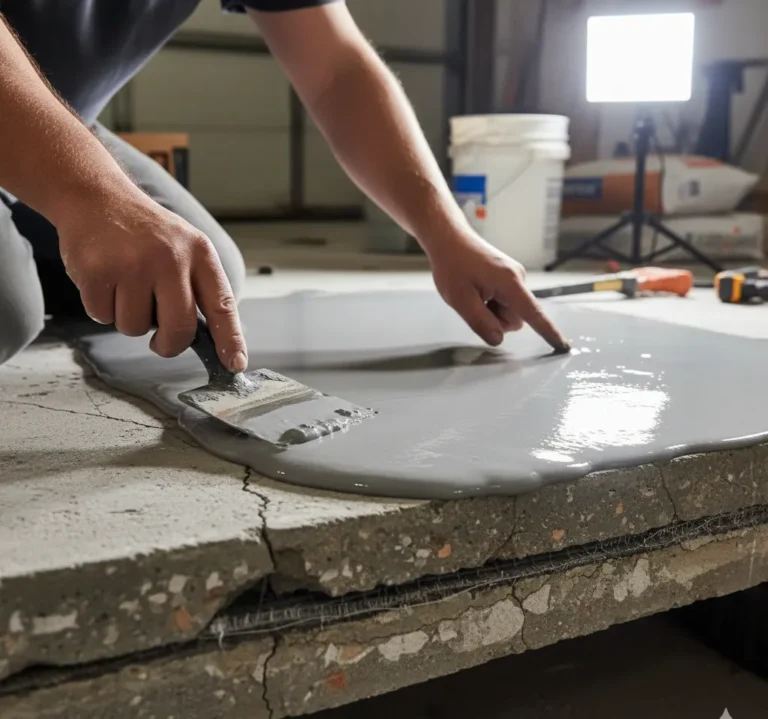
STEP 1: Epoxy Primer
- Bonds aggressively to concrete
- Penetrates pores
- Seals weak or porous slabs
- Levels micro-imperfections
STEP 2: Epoxy or Hybrid Mid-Layer
- Provides strength
- Adds build thickness
- Allows for decorative finishes (flake, metallic, quartz)
STEP 3: Polyaspartic Topcoat
- Adds extreme durability
- Provides UV resistance
- Offers quick return-to-service
- Enhances aesthetic gloss
This layered approach combines epoxy’s structural performance with polyaspartic’s surface advantages.
Key Innovations Driving Polyaspartic-Epoxy Hybrid Advancements
1. Fast-Cure Hybrid Formulations
Modern polyaspartic-epoxy blends can cure in:
- 45 minutes to 2 hours for foot traffic
- 3–4 hours for full return-to-service
Ideal for UAE retail and industrial settings where downtime costs money.
2. Low-Odor, Low-VOC Systems
New formulations meet Dubai Municipality and Abu Dhabi’s Estidama guidelines for indoor air quality—critical for malls, showrooms, and hospitals.
3. High-Build, Self-Leveling Hybrids
Earlier polyaspartics were thin-film coatings. Newer hybrid versions allow:
- Thicker applications
- Improved leveling
- Better crack-bridging performance
4. Advanced UV-Stable Pigments
Prevent color yellowing in sunny emirates like Dubai, Abu Dhabi, and Ras Al Khaimah.
5. Hot-Weather-Optimized Catalysts
Engineered for installation during UAE summer months without flash curing.
6. Decorative Hybrid Systems (Flake, Metallic, Quartz)
Polyaspartic topcoats enhance the beauty of epoxy-based decorative floors.
7. Improved Chemical Resistance
Ideal for automotive, pharmaceutical, and industrial applications.
Performance Advantages of Polyaspartic-Epoxy Hybrid Flooring
Here’s why the system is becoming a preferred choice across the UAE:
✔ Superior Adhesion
Epoxy primers ensure strong, long-lasting bonding to concrete.
✔ Rapid Installation
Polyaspartic topcoats cure extremely fast, reducing downtime.
✔ UV and Color Stability
No yellowing—a critical advantage for UAE glass-front stores and outdoor areas.
✔ Extreme Durability
Hybrid systems offer high abrasion, chemical, and impact resistance.
✔ Temperature Flexibility
Performs well across hot and cool conditions.
✔ High-Gloss Aesthetic
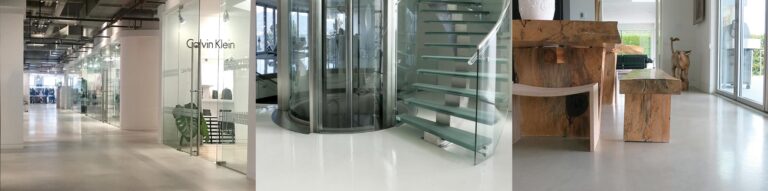
Perfect for showrooms, boutiques, and luxury spaces.
✔ Versatile Design Options
Metallic swirls, flake broadcasts, quartz systems, matte or glossy finishes.
✔ Longer Lifecycle
Less maintenance and greater longevity than pure epoxy systems.
Applications of Hybrid Flooring in the UAE
Polyaspartic-epoxy hybrids are especially beneficial in:
1. Automotive Showrooms & Workshops
- High gloss enhances vehicle display
- Withstands oils, chemicals, and tire abrasion
- Rapid installation supports showroom operations
2. Retail Stores & Mall Fit-Outs
- Fast curing fits tight handover schedules
- UV resistance ideal for bright mall lighting
3. Warehouses & Logistics Facilities
- Handles forklift traffic
- Resists pallet abrasion
- Excellent chemical performance
4. Hospitality & F&B
- Seamless hygienic surfaces
- Quick return-to-service for kitchen refurbishments
5. Healthcare & Pharma
- Low-VOC
- Non-porous
- Easy to sanitize
6. Residential Garages & Villas
- High-end glossy or matte finishes
- UV-stable for open villas
7. Outdoor Walkways & Balconies
- Polyaspartic topcoat prevents yellowing
- Weather-resistant performance
Polyaspartic-Epoxy Hybrid Systems vs Pure Epoxy vs Pure Polyaspartic (UAE Comparison)
| Feature | Hybrid System | Pure Epoxy | Pure Polyaspartic |
| Curing Time | Fast | Slow | Very Fast |
| UV Resistance | High | Low | Very High |
| Gloss & Aesthetics | Very High | High | Very High |
| Adhesion to Concrete | Excellent | Excellent | Moderate |
| Abrasion Resistance | Very High | High | Very High |
| Chemical Resistance | High | High | High |
| Cost-Effectiveness | High | Moderate | Moderate |
| Best For | Retail, industrial, showrooms | Industrial, warehouses | Outdoor, fast-cure settings |
Hybrids effectively combine epoxy’s adhesion and thickness with polyaspartic’s durability and gloss.
Challenges of Hybrid Systems (And How New Innovations Solve Them)
1. Fast Cure = Short Working Time
New slow-cure catalysts allow more working time even in 40°C UAE heat.
2. Moisture Sensitivity on Damp Slabs
Moisture-tolerant epoxy primers reduce risk of blistering.
3. UV Stability for Colored Finishes
New pigments and polyaspartic formulations eliminate yellowing concerns.
4. Compatibility Issues Between Layers
Modern hybrid systems are engineered for excellent inter-layer bonding.
Why Polyaspartic-Epoxy Hybrids Are a Game-Changer for UAE Fit-Outs
✔ Faster Handover
Major advantage for Dubai Mall, Mall of the Emirates, Yas Mall, and other commercial projects with tight schedules.
✔ Long-Lasting Performance
Hybrid coatings outperform standard epoxies in demanding environments.
✔ Aesthetic Versatility
Luxury brands demand flawless finishes—hybrids deliver.
✔ Cost-Effective Lifecycle
Less maintenance, fewer re-coats, improved longevity.
✔ Suitable for Heavy Duty Work
Ideal for logistics, automotive, manufacturing, and industrial demands.
Duraamen’s Approach to Polyaspartic-Epoxy Hybrids
Duraamen’s resin technologies are engineered specifically for:
UAE Climate Conditions
- High moisture
- High heat
- Temperature fluctuations
Fast-Track Projects
- Mall fit-outs
- Showrooms
- Retail stores
- Warehouses
Premium Aesthetic Environments
- Metallic designer floors
- Flake systems
- Quartz broadcast floors
Duraamen combines pure epoxy and polyaspartic technologies into integrated hybrid systems that maximize performance and visual quality.
Final Thoughts
Polyaspartic-epoxy hybrid flooring systems are redefining resin flooring in the UAE. By combining epoxy’s structural strength with polyaspartic’s rapid curing, UV stability, and superior durability, these hybrid technologies deliver unmatched performance.
For UAE contractors and specifiers who demand:
- Faster project completion
- High durability
- UV-stable aesthetics
- Long-lasting performance
- Compatibility with UAE heat and humidity
…polyaspartic-epoxy hybrids truly represent the best of both worlds.
Duraamen continues to lead the industry with advanced hybrid formulations engineered to perform in the region’s challenging environmental conditions and demanding commercial spaces.
FAQs
1. Are polyaspartic-epoxy hybrids better than traditional epoxy?
In many applications, yes. They cure faster, offer better UV resistance, and provide superior durability.
2. Do hybrids yellow under the UAE sun?
No. When high-quality polyaspartic topcoats are used, the system remains UV-stable without yellowing.
3. Are hybrids suitable for industrial flooring in UAE warehouses?
Absolutely. They handle forklift traffic, abrasion, and chemicals extremely well.
4. How long do hybrid floors last?
Typically 10–15+ years, depending on maintenance and traffic severity.
5. Can hybrids be installed during UAE summer months?
Yes, with hot-weather catalysts and experienced installers.
6. Are polyaspartic-epoxy hybrids safe for indoor environments?
Yes. They are low-VOC, fast-curing, and compliant with UAQ & Dubai Municipality health guidelines.
7. Do hybrids support decorative finishes?
Yes—flakes, metallics, colored quartz, gloss, matte, and designer blends.
8. How long before the floor can be used after installation?
Most hybrid systems allow foot traffic in 1–2 hours and full use in 3–4 hours.
9. Are hybrids more expensive than epoxy?
The upfront cost may be slightly higher, but long-term durability reduces lifecycle costs.
10. Where are hybrids most commonly used in the UAE?
- Automotive showrooms
- Retail stores
- Warehouses
- Hospitality spaces
- Logistics hubs
- Villa garages