Moisture-Related Flooring Problems
Moisture is a silent adversary that can wreak havoc on flooring systems. When moisture seeps into flooring materials, it can lead to a host of problems that compromise the integrity and appearance of the floor. Understanding these issues is crucial for preventing costly repairs and maintaining a safe environment.
Common Signs of Moisture Damage
Moisture damage in flooring can manifest in various ways. One of the most common signs is the appearance of bubbles or blisters on the surface. These occur when moisture gets trapped beneath the flooring material, causing it to lift. Another indicator is discoloration, which often results from mold or mildew growth due to excess moisture. Additionally, warping or buckling of the floorboards is a clear sign that moisture has penetrated the flooring system.
- Bubbles or blisters on the floor surface
- Discoloration due to mold or mildew
- Warping or buckling of floorboards
Impact on Different Flooring Materials
Different flooring materials react differently to moisture. For instance, hardwood floors are particularly susceptible to moisture, which can cause them to swell and warp. Vinyl and laminate flooring may delaminate or peel when exposed to moisture. Even tile floors, which are generally more resistant, can suffer from grout deterioration and mold growth in the presence of moisture.
- Hardwood: Swelling and warping
- Vinyl/Laminate: Delamination and peeling
- Tile: Grout deterioration and mold growth
Long-Term Consequences of Moisture Issues
Ignoring moisture problems can lead to severe long-term consequences. Over time, the structural integrity of the flooring can be compromised, leading to safety hazards. Additionally, persistent moisture issues can result in poor indoor air quality, as mold and mildew release spores into the air. This not only affects the health of the occupants but also reduces the overall value of the property.
- Compromised structural integrity
- Poor indoor air quality
- Decreased property value
The Science Behind Epoxy Moisture Control Systems
Epoxy moisture control systems are engineered to combat moisture-related issues effectively. By understanding the science behind these systems, one can appreciate their role in preserving flooring.
How Epoxy Creates a Vapor Barrier
Epoxy systems create a robust vapor barrier that prevents moisture from penetrating the flooring. This barrier is formed by a chemical reaction that occurs when epoxy resin and hardener are mixed. The resulting compound adheres tightly to the substrate, blocking moisture transmission and protecting the flooring material.
- Chemical reaction forms a vapor barrier
- Adheres tightly to the substrate
- Blocks moisture transmission
Chemical Composition and Bonding Properties
The chemical composition of epoxy is what makes it so effective. Epoxy resins are composed of polymer chains that cross-link during the curing process. This cross-linking gives epoxy its strength and durability, allowing it to bond securely to various substrates. The strong bond ensures that the vapor barrier remains intact, even under stress.
- Polymer chains cross-link during curing
- Provides strength and durability
- Bonds securely to substrates
Moisture Transmission Rates and Industry Standards
Epoxy moisture control systems are designed to meet specific industry standards for moisture transmission rates. These standards ensure that the systems are effective in preventing moisture-related issues. By adhering to these standards, epoxy systems provide reliable protection for a wide range of flooring applications.
- Designed to meet industry standards
- Ensures effective moisture prevention
- Provides reliable protection
Types of Epoxy Moisture Control Solutions

There are several types of epoxy moisture control solutions available, each with its unique properties and applications.
Surface-Applied Epoxy Membranes
Surface-applied epoxy membranes are applied directly to the flooring surface. These membranes form a continuous barrier that prevents moisture from penetrating the flooring material. They are ideal for use in areas with high moisture levels, such as basements and bathrooms.
- Applied directly to the surface
- Forms a continuous moisture barrier
- Suitable for high-moisture areas
Penetrating Epoxy Sealers
Penetrating epoxy sealers work by seeping into the substrate and forming a protective layer within the material. This type of epoxy is particularly effective for porous materials, as it strengthens the substrate while providing moisture protection.
- Seep into the substrate
- Forms a protective internal layer
- Effective for porous materials
Multi-Layer Epoxy Systems
Multi-layer epoxy systems involve the application of several layers of epoxy, each serving a specific purpose. These systems offer enhanced protection and are often used in commercial and industrial settings where flooring is subjected to heavy use and moisture exposure.
- Involves multiple epoxy layers
- Offers enhanced protection
- Ideal for commercial and industrial use
Benefits of Epoxy Moisture Mitigation
Epoxy moisture control systems offer numerous benefits that make them a preferred choice for flooring protection.
Extended Flooring Lifespan
By preventing moisture-related damage, epoxy systems significantly extend the lifespan of flooring materials. This not only reduces the need for frequent repairs but also ensures that the flooring maintains its aesthetic appeal over time.
- Prevents moisture-related damage
- Extends flooring lifespan
- Reduces repair frequency
Improved Indoor Air Quality
Moisture issues can lead to mold and mildew growth, which negatively impacts indoor air quality. Epoxy systems prevent these issues, ensuring a healthier indoor environment. This is particularly important in residential settings where occupants spend a significant amount of time indoors.
- Prevents mold and mildew growth
- Ensures healthier indoor environment
- Important for residential settings
Cost-Effectiveness Over Time
While the initial investment in epoxy moisture control systems may be higher than traditional methods, the long-term cost savings are significant. By reducing the need for repairs and replacements, epoxy systems prove to be a cost-effective solution over time.
- Higher initial investment
- Significant long-term cost savings
- Reduces need for repairs and replacements
Installation Process for Epoxy Moisture Control Systems
Proper installation is crucial for the effectiveness of epoxy moisture control systems.
Surface Preparation Requirements
Before applying epoxy, the surface must be thoroughly prepared. This involves cleaning the substrate to remove any dirt, oil, or debris that could interfere with adhesion. In some cases, the surface may need to be roughened to ensure a strong bond.
- Thorough cleaning of the substrate
- Removal of dirt, oil, and debris
- Surface roughening for strong adhesion
Application Techniques
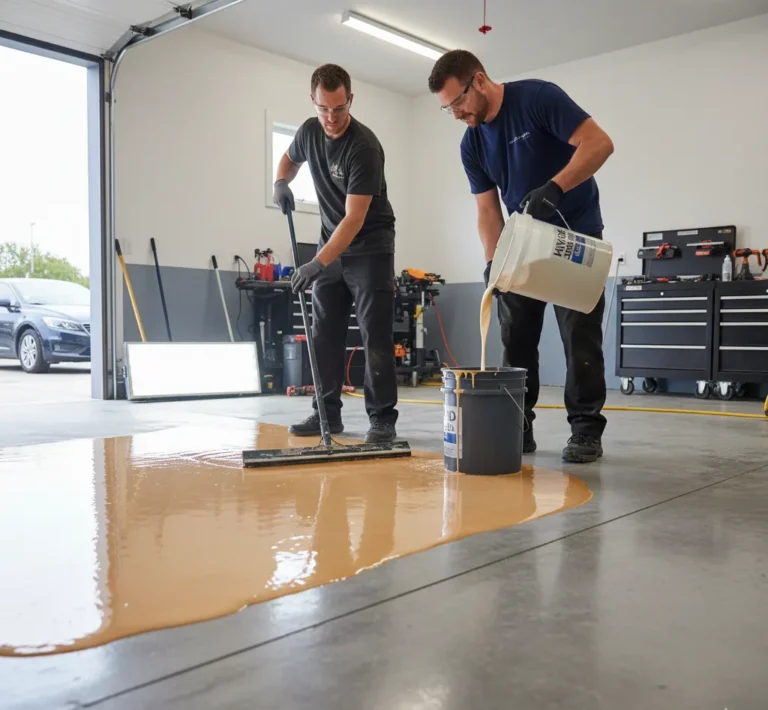
The application of epoxy involves mixing the resin and hardener according to the manufacturer’s instructions. The mixture is then applied to the prepared surface using rollers or brushes. It is important to apply the epoxy evenly to ensure complete coverage and effectiveness.
- Mix resin and hardener as instructed
- Apply using rollers or brushes
- Ensure even application for complete coverage
Curing and Testing Procedures
After application, the epoxy must be allowed to cure for a specified period. This allows the chemical reaction to complete, forming a strong and durable barrier. Once cured, the system should be tested to ensure it meets the required moisture transmission rates.
- Allow epoxy to cure for specified period
- Completes chemical reaction for durability
- Test system for moisture transmission rates
Moisture Testing Methods for Concrete Substrates
Testing for moisture is an essential step in ensuring the success of epoxy moisture control systems.
Relative Humidity Testing
Relative humidity testing involves measuring the moisture content within the concrete substrate. This is done using probes that are inserted into the concrete, providing an accurate reading of the internal moisture levels.
- Measures moisture content within concrete
- Uses probes for accurate readings
- Provides internal moisture levels
Calcium Chloride Testing
Calcium chloride testing is a widely used method for assessing moisture vapor emission rates. This test involves placing a calcium chloride dish on the concrete surface and covering it with a plastic dome. The amount of moisture absorbed by the dish over a specified period indicates the emission rate.
- Assesses moisture vapor emission rates
- Involves calcium chloride dish and plastic dome
- Indicates emission rate over specified period
Electronic Moisture Meters
Electronic moisture meters provide a quick and non-invasive way to measure moisture levels in concrete. These devices use electrical resistance to determine the moisture content, offering a convenient option for on-site testing.
- Quick and non-invasive measurement
- Uses electrical resistance
- Convenient for on-site testing
Compatibility with Various Flooring Types
Epoxy moisture control systems are versatile and can be used with a variety of flooring materials.
Epoxy Moisture Control for Hardwood Floors
Hardwood floors are particularly vulnerable to moisture, making epoxy systems an ideal solution. By creating a moisture barrier, epoxy protects the wood from swelling and warping, preserving its natural beauty.
- Vulnerable to moisture
- Epoxy creates a protective barrier
- Preserves natural beauty of wood
Solutions for Vinyl and Laminate Flooring
Vinyl and laminate flooring can suffer from delamination when exposed to moisture. Epoxy systems prevent this by sealing the substrate and providing a stable base for the flooring material.
- Prevents delamination
- Seals substrate
- Provides stable base for flooring
Protecting Carpet and Tile Installations
Carpet and tile installations can also benefit from epoxy moisture control systems. By preventing moisture from seeping through the substrate, epoxy ensures that these flooring types remain intact and free from mold growth.
- Prevents moisture seepage
- Keeps carpet and tile intact
- Prevents mold growth
Regulatory Compliance and Industry Standards
Adhering to regulatory standards is essential for the success of epoxy moisture control systems.
ASTM Standards for Moisture Mitigation
Epoxy systems are designed to meet ASTM standards for moisture mitigation. These standards ensure that the systems are effective and reliable, providing peace of mind for property owners.
- Meets ASTM standards
- Ensures effectiveness and reliability
- Provides peace of mind
Building Code Requirements
Compliance with building codes is crucial for the installation of epoxy moisture control systems. These codes ensure that the systems are installed correctly and safely, protecting both the property and its occupants.
- Compliance with building codes
- Ensures correct and safe installation
- Protects property and occupants
Environmental Considerations
Epoxy systems are designed with environmental considerations in mind. By preventing moisture-related issues, these systems contribute to a healthier indoor environment and reduce the need for chemical treatments.
- Designed with environmental considerations
- Contributes to healthier indoor environment
- Reduces need for chemical treatments
Maintenance and Long-Term Performance
Proper maintenance is key to the long-term performance of epoxy moisture control systems.
Routine Inspections and Upkeep
Regular inspections are essential for identifying potential issues before they become major problems. By addressing these issues promptly, property owners can ensure the continued effectiveness of the epoxy system.
- Regular inspections for potential issues
- Promptly address identified problems
- Ensures continued effectiveness
Reapplication Guidelines
Over time, epoxy systems may require reapplication to maintain their protective properties. Following the manufacturer’s guidelines for reapplication ensures that the system remains effective and reliable.
- May require reapplication over time
- Follow manufacturer’s guidelines
- Maintains effectiveness and reliability
Troubleshooting Common Issues
Understanding common issues that can arise with epoxy systems allows for quick troubleshooting and resolution. This includes addressing any areas where the epoxy may have worn away or become damaged.
- Understand common issues
- Quick troubleshooting and resolution
- Address worn or damaged areas
FAQs
What is the cost of epoxy moisture control systems compared to traditional methods?
Epoxy moisture control systems may have a higher initial cost compared to traditional methods. However, they offer significant long-term savings by reducing the need for repairs and replacements. This makes them a cost-effective solution over time.
How long does an epoxy moisture barrier last?
An epoxy moisture barrier can last for many years when properly installed and maintained. The longevity of the barrier depends on factors such as the quality of the epoxy and the conditions to which it is exposed. Regular maintenance can extend its lifespan.
Can epoxy moisture control systems be used in high-humidity environments?
Yes, epoxy moisture control systems are suitable for high-humidity environments. They create a robust barrier that prevents moisture from penetrating the flooring, making them ideal for areas with high moisture levels. This ensures the flooring remains protected and intact.
Are epoxy moisture control systems suitable for DIY installation?
While some epoxy systems may be suitable for DIY installation, it is generally recommended to have them installed by professionals. Professional installation ensures that the system is applied correctly and meets industry standards, providing reliable protection.
How do epoxy moisture control systems affect concrete breathability?
Epoxy moisture control systems create a vapor barrier that limits moisture transmission, which can affect concrete breathability. However, they are designed to balance moisture control with the need for some level of breathability, ensuring the substrate remains stable.