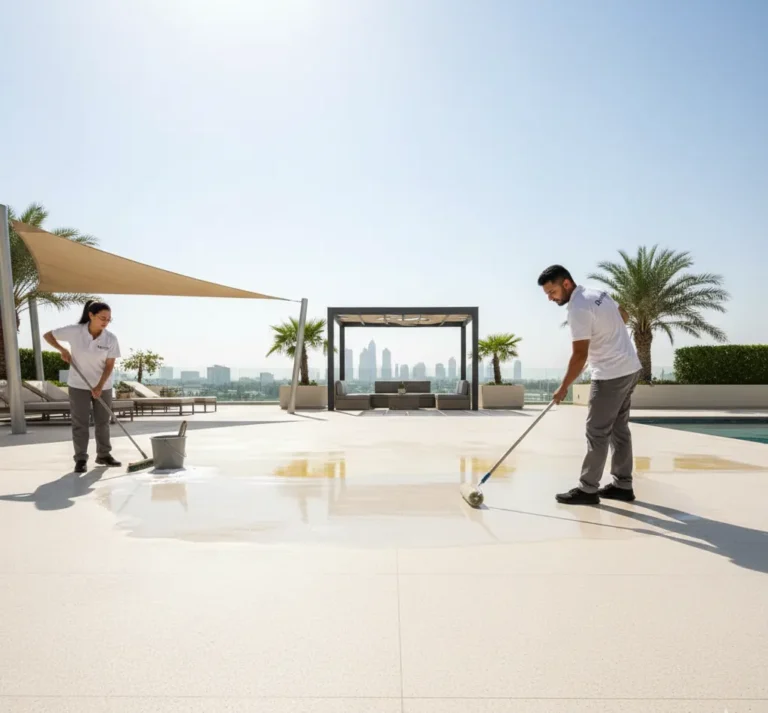
What Are the Disadvantages of Microcement? An In-Depth Guide for Dubai & UAE
If you’re seriously considering microcement for your Dubai villa, apartment renovation, or commercial space, and you’re doing proper research, you’ll want to know the downsides before you commit.
Good. That’s exactly the right question to ask.
Microcement is a genuinely excellent material when installed correctly. But it also has real limitations that no one should gloss over. In this guide, we lay them out plainly, what the actual disadvantages are, why they happen, how serious they are in Dubai’s specific climate, and what can be done to prevent or manage each one.
If you’re in a hurry, here’s the summary:
- Microcement can crack, but almost always because of substrate or installation issues, not the material itself
- It requires skilled installation, a bad applicator creates problems that look like material failures
- Repairs are harder than with tiles, you can’t just swap out a section
- Sealing needs maintaining, every 3–5 years, depending on use
- Dubai’s outdoor heat and UV is harder on standard microcement than most suppliers admit
- Initial cost is higher than many flooring alternatives
- Not ideal for every application, bathrooms and wet areas need specific systems
None of these are dealbreakers if you go in with the right expectations and the right installer. But they’re worth understanding fully.
1. Microcement Can Crack, Understanding Why
This is the most common concern and the one that causes the most confusion.
Microcement itself is a polymer-modified coating, it has flex built in specifically to resist cracking. A well-formulated system doesn’t just crack on its own. When cracking does happen, the cause is almost always one of the following:
The substrate moved. Microcement is a coating, not a structural layer. It’s typically 2–3mm thick. If the concrete, tiles, or plasterboard beneath it cracks, moves, or shifts, the microcement above reflects that movement. This is the number one cause of cracking in Dubai projects, where concrete slabs on new developments can still be settled.
The substrate wasn’t properly prepared. Existing cracks in the base surface must be treated before microcement goes on. If a crack filler or crack bridging primer wasn’t used, or if the existing surface was uneven, dusty, or contaminated, the bond is compromised from day one.
The wrong system was used for the application. Not all microcement products are the same. Some are more rigid, some more flexible. A system without adequate polymer content will be more brittle, particularly in areas with temperature fluctuations, which in Dubai means any outdoor or semi-outdoor application.
Dubai-specific note: Dubai’s extreme heat (regularly above 45°C in summer) causes significant thermal expansion and contraction in concrete substrates. For outdoor terraces, driveways, and balconies in areas like Palm Jumeirah, Arabian Ranches, and Emirates Hills, a microcement system without built-in flexibility and movement accommodation will develop hairline cracks over time. This isn’t a flaw in microcement as a concept, it’s a spec and installation issue.
The solution: Correct substrate preparation, crack treatment before application, and specifying a polymer-rich flexible system for any UAE outdoor application. These are standard practices for quality installers. The problem is when installers skip steps to reduce cost or time.
2. Installation Requires Genuine Skill, And Bad Work Looks Like Bad Material
This is the second biggest source of problems, and the one most commonly misunderstood.
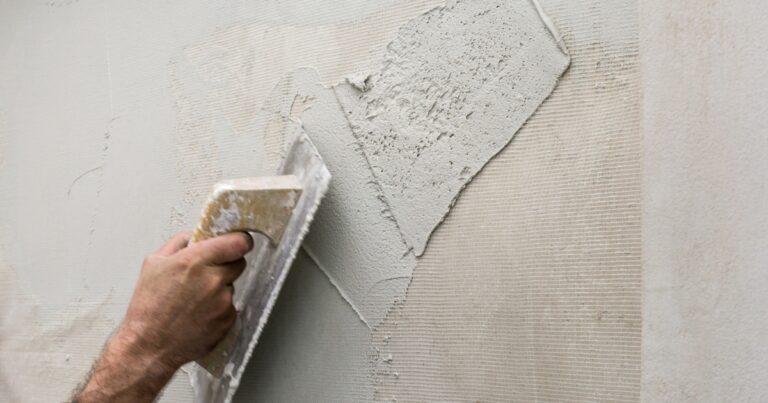
Microcement installation involves multiple layers, each with specific requirements:
- Surface cleaning and priming (primer choice matters for the substrate type)
- Base coat application (thickness and consistency)
- Colour coat (mixing ratio, application technique, trowel pressure)
- Sealer application (choice of product, number of coats, curing between coats)
Each layer must be applied at the right thickness, allowed to cure correctly, and applied under appropriate temperature and humidity conditions. In Dubai, the heat accelerates curing, which means an inexperienced applicator has less time to work the material before it sets, increasing the likelihood of trowel marks, uneven texture, and colour inconsistencies.
Common visible defects from poor installation:
- Pinholes in the surface
- Trowel marks that don’t blend
- Colour inconsistency between application sessions (particularly on large floors)
- Visible joints or lap marks between areas applied on different days
- Uneven texture (rougher in some areas, smoother in others)
Once these defects are set and sealed, correcting them requires stripping back the surface and reapplying, which is expensive and disruptive.
The reality in Dubai: The market has a wide range of microcement applicators, from highly trained specialists to general contractors who’ve done a short course. The quality gap is significant. This is not a disadvantage of microcement itself, it’s a disadvantage of an unregulated trade in a market where the material has grown popular faster than the skilled applicator base has grown.
The solution: Ask to see projects that are 2–3 years old, not just freshly completed ones. Any applicant can deliver a project that looks good on day one. Seeing how it holds up after two summers in Dubai tells you far more.
3. Outdoor Performance in Dubai, A Genuine Limitation
Standard microcement was developed primarily for interior applications in temperate European climates. Dubai’s outdoor environment is categorically different:
Heat: Surface temperatures on outdoor terraces and driveways in Dubai summer can exceed 70°C. This is far beyond what most standard microcement systems were tested for. Thermal expansion at this level stresses any coating.
UV radiation: Dubai has one of the highest UV indices in the world year-round. Standard epoxy-based sealers and some acrylic sealers will yellow, chalk, or degrade significantly faster here than in Europe or North America. Clear or light-coloured microcement with the wrong sealer will look old within 18–24 months outdoors.
Humidity and salty air: Coastal areas of Dubai, Dubai Marina, JBR, Palm Jumeirah, Jumeirah Beach Residence, have elevated salt and humidity levels that accelerate degradation of improperly sealed surfaces. Salt crystallisation can cause pitting and delamination if the surface isn’t correctly protected.
The honest answer: Outdoor microcement in Dubai can perform well, but only with a system specifically rated for UAE outdoor conditions. This means UV-stable polyurethane or polyaspartic topcoats, flexible base layers with polymer content suitable for thermal movement, and in coastal areas, additional consideration of salt resistance.
Many contractors and even some suppliers don’t specify this clearly. They use the same product and system indoors and outdoors and wonder why the outdoor installation looks tired within two years.
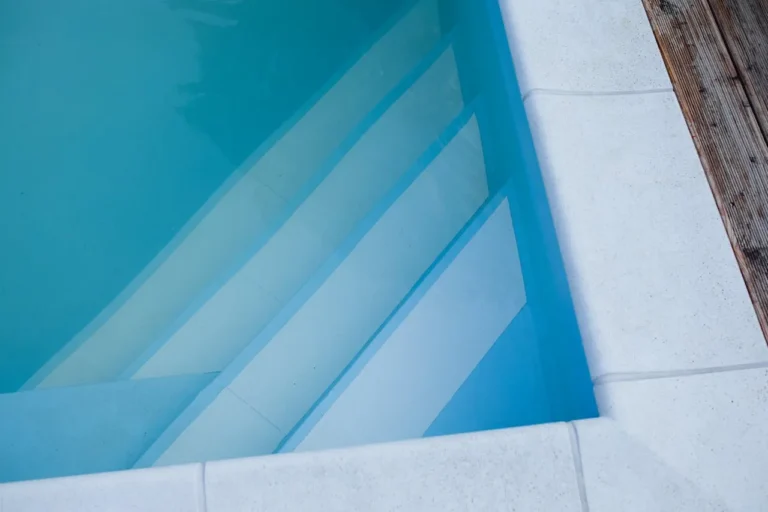
For terraces, pool surrounds, and driveways in areas like Palm Jumeirah, Damac Hills, or Emirates Hills, ask specifically which UV-rated topcoat is being used and why that product is appropriate for UAE outdoor exposure.
4. Repairs Are Harder Than Tiles
With tiled floors, damage to one tile is fixable: find a matching tile (ideally kept from the original installation), remove the damaged piece, reset and regrout. The repair is largely invisible if the match is good.
With microcement, repairs are more complex:
Colour matching is difficult. Microcement colour is affected by application technique, mixing consistency, and drying conditions. Even the same batch of material applied by the same person on the same day can have subtle variations. Matching a patch to a two-year-old floor is genuinely hard. Patches tend to be visible under certain lighting conditions.
The repair area may need to be larger than the damage. To blend a repair invisibly, it often needs to extend to a natural edge or boundary. A 10cm chip may require resurfacing a 1 sqm area to achieve an acceptable result.
Underlying issues need addressing first. If a crack appeared because of substrate movement, simply resurfacing over it will result in the crack reappearing. The root cause, the substrate issue, must be fixed first.
In practice: Small surface damage (minor chips, scratches) can be repaired reasonably well by a skilled applicator. Larger damage or cracks usually requires a professional assessment to determine whether a section repair or fuller resurfacing is needed.
This is a genuine disadvantage versus tiles for buyers who value easy repairability. For buyers who value the seamless, grout-free look, the tradeoff is usually acceptable.
5. Sealing, The Maintenance Reality
Microcement is often described as “low maintenance.” This is largely true, it has no grout to clean, no joints to seal, and requires no specialist products for day-to-day care.
However, the topcoat sealer does wear over time. This is not a flaw, all sealed surfaces behave the same way. But it’s worth being clear about:
Resealing schedule for Dubai conditions:
| Application | Recommended resealing interval |
| Bathroom / kitchen floor | Every 2–3 years |
| Residential living area (moderate traffic) | Every 3–5 years |
| Commercial / high-traffic floor | Every 1–2 years |
| Walls (low wear) | Every 5–7 years |
| Outdoor (Dubai climate) | Every 2–3 years minimum |
When the sealer wears thin, the surface loses its stain resistance and moisture protection. The first visible sign is usually dullness, the floor stops looking sharp after cleaning. At that point, resealing is straightforward and relatively inexpensive. Waiting too long, until the surface starts absorbing stains, makes restoration harder.
Cleaning restrictions: Microcement surfaces should only be cleaned with pH-neutral products. Acidic cleaners (vinegar, citrus-based products common in UAE households), alkaline cleaners (bleach, strong degreasers), and abrasive pads will all degrade the sealer faster. This is an honest lifestyle constraint that some buyers don’t account for.
6. Moisture, The Most Underestimated Risk
Water is microcement’s biggest enemy when the installation system is incomplete.
Unsealed or inadequately sealed microcement is porous. In a bathroom, shower, or kitchen, where water exposure is constant, an improper sealer or a compromised sealing system allows moisture to penetrate. The consequences:
- Discolouration and darkening (water staining)
- Delamination, the microcement separates from the substrate
- Mould growth behind the surface in extreme cases
- Structural damage to the substrate if water reaches it
In Dubai, rising damp is also a relevant concern. Concrete slabs, particularly in older buildings or buildings with sub-grade spaces, can have elevated moisture vapour transmission. If this isn’t tested for and addressed with a moisture barrier primer before microcement application, the moisture migrates up through the slab and causes problems from below.
For bathrooms: A waterproof membrane underneath the microcement system is the correct specification for wet areas, not just a sealer on top. This is standard practice for quality installers but is sometimes skipped to reduce cost.
For Dubai properties specifically: Moisture testing before application is essential. Duraamen’s installation approach includes substrate moisture assessment; this should be a standard part of any credible quote, not an optional extra.
7. Higher Initial Cost
This is straightforward: microcement costs more upfront than most tile options.
Current market context for Dubai (April 2026):
- Standard porcelain tiles (supply + install): approximately AED 200–300/sqm
- Mid-range microcement (supply + install): approximately AED 250–500/sqm
- Premium decorative microcement: AED 350–550/sqm
The premium over tiles is real and shouldn’t be minimised. For large areas, the cost difference is significant.
Where the cost is justified:
- When avoiding demolition costs (microcement applied over existing tiles)
- When the seamless aesthetic is a genuine priority
- When long-term maintenance savings outweigh the initial difference
- For commercial spaces where downtime from maintenance or replacement is expensive
Where it may not be justified:
- Budget-constrained residential renovations where standard tiles will serve perfectly well
- Areas where design flexibility and easy repair matter more than seamless aesthetics
- Spaces that will be renovated again within 5–7 years anyway
The honest answer: microcement is not the right material for every project or budget. A good supplier will tell you when tiles or another material would serve you better.
8. Not Ideal for Every Application
Microcement works exceptionally well in many situations. It is not the right answer for all of them.
Where microcement underperforms vs alternatives:
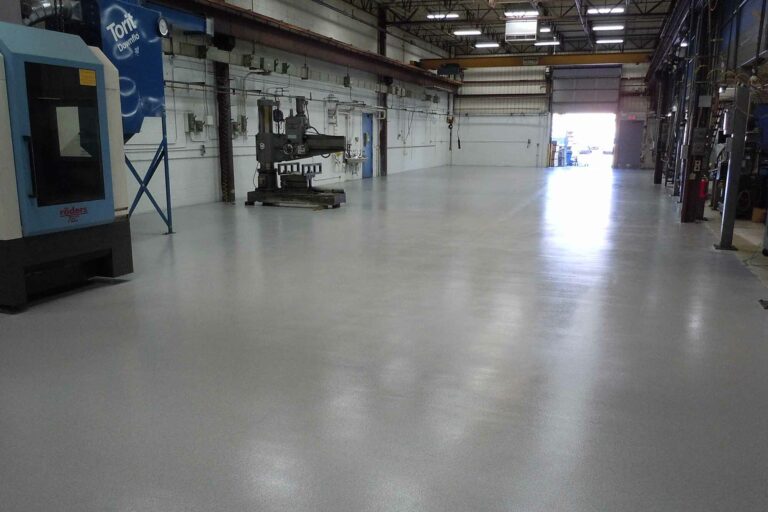
Heavy vehicle traffic / industrial loading: Microcement at 2–3mm thickness is not designed for forklift traffic, heavy machinery, or industrial chemical spills. For warehouses and factories in Al Quoz, Jebel Ali, or Dubai Industrial Park, epoxy flooring systems are engineered for these conditions and are the correct specification.
Areas needing frequent individual section repair: If you’re in a rental property, a high-wear commercial kitchen that you don’t own, or any space where replacing individual sections cheaply is important, tiles are a more practical choice.
Exterior wood substrates: Wood expands and contracts significantly with temperature and humidity. Microcement over wood (decking, wooden balcony floors) is high-risk in Dubai’s climate. The movement in the wood substrate typically causes cracking within one to two years.
Spaces with significant structural movement: If a building has known structural movement, settlement cracks, vibration from traffic or machinery, microcement is not a suitable surface coating without first addressing the structural issue.
The Honest Bottom Line
Microcement is one of the best flooring and surface coating options available in Dubai when it’s specified and installed correctly. The disadvantages above are real, but most of them are avoidable with proper system selection, experienced installation, and realistic maintenance expectations.
The problems people encounter with microcement most commonly come from:
- A contractor who cut corners on substrate preparation
- A system that wasn’t specified for UAE conditions
- A sealer that wasn’t maintained
None of those are inherent flaws in microcement as a material. They’re installation and specification failures.
If you’re evaluating microcement for a project in Dubai, Abu Dhabi, Sharjah, or anywhere in the UAE, the right conversation with a knowledgeable supplier before you start will answer all the questions this page has raised. That’s a conversation we’re ready to have with you.
Talk to our technical team about your specific project →
Frequently Asked Questions
Does microcement crack easily? No, properly installed microcement on a stable, well-prepared substrate does not crack
on its own. The polymer content in quality microcement gives it flexibility. Cracking is almost always caused by the substrate beneath it (existing cracks, structural movement, inadequate preparation). This is why substrate assessment before installation is critical. See our guide on how to avoid common microcement issues for more detail.
Is microcement suitable for Dubai’s outdoor climate?
Yes, but only with the right system. Standard microcement with an acrylic or basic sealer will degrade under Dubai’s UV intensity and extreme heat. Outdoor applications in Dubai require UV-stable polyurethane or polyaspartic topcoats and a polymer-rich flexible base system. Ask any contractor specifically which outdoor-rated topcoat they’re specifying and why it’s appropriate for UAE conditions.
How hard is it to repair microcement?
Harder than tiling, but not impossible. Small chips and surface scratches can be repaired by a skilled applicator. Colour matching is the main challenge, patches can be visible under certain lighting if the applicator is inexperienced. For larger damage or cracks, a professional assessment is needed to address the root cause before resurfacing. Duraamen offers assessment and restoration services across the UAE.
Is microcement waterproof for bathrooms?
Microcement with a proper waterproofing system (membrane + sealer) is fully waterproof and performs well in bathrooms and wet rooms. The key word is “system”, a topcoat sealer alone is insufficient for a shower or wet room. A waterproof membrane beneath the microcement layers is the correct specification. See our microcement bathroom installation service for how we approach wet areas.
How long does microcement last in Dubai?
Well-installed and maintained microcement lasts 15–25 years indoors. Outdoors in Dubai, lifespan depends heavily on the system specified and maintenance, a UV-stable system with regular resealing (every 2–3 years) can perform well for 10–15+ years. See our full guide on how long microcement lasts.
Is microcement more expensive than tiles in Dubai?
Generally yes for the initial installation. Mid-range microcement typically costs AED 250–500/sqm installed, compared to AED 200–300/sqm for standard porcelain tiles. However, when applied over existing surfaces (no demolition), the cost gap narrows. Long-term maintenance costs for microcement (no grout, periodic resealing) are often lower than tiles in high-use areas. See our cost comparison guide for a detailed breakdown.
Can microcement be repaired without replacing the whole floor?
In most cases, yes. Localised damage can be addressed without full floor replacement. The extent of repair depends on the nature and cause of the damage. Section repairs are possible but require a skilled applicator for acceptable colour and texture matching. If the underlying cause is substrate movement, that must be addressed before any surface repair.
What’s the biggest mistake people make with microcement in Dubai?
Choosing an installer based primarily on price. The material quality and application skill determine whether microcement performs beautifully for 20 years or develops problems within 2. A lower quote that skips substrate moisture testing, uses a basic sealer, or rushes the curing process between coats will look identical on completion day, and show problems within one or two summers. Always ask about the full system spec, not just the finish.
Duraamen has been supplying professional microcement systems, primers, sealers, and accessories to contractors, architects, and designers across Dubai, Abu Dhabi, Sharjah, and the wider UAE and GCC since 2009. Our technical team is available to assess your project and recommend the right system for your specific conditions.
Explore our microcement products|View our microcement brands guide |Contact us